How Much Does It Cost to Cut a Hedge?
Understanding the potential costs involved in hedge trimming is essential.
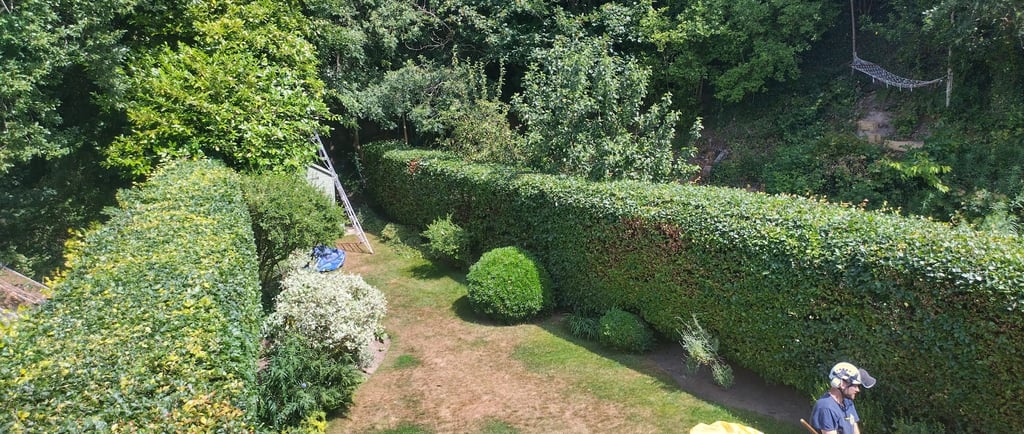
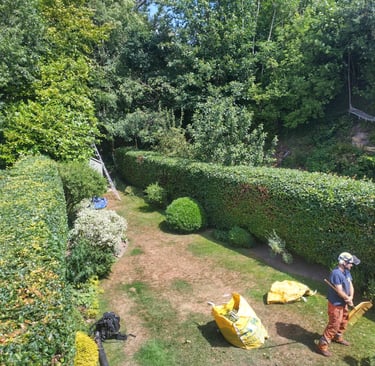
How Much Does It Cost to Cut a Hedge?
Hedges are a staple of many gardens, offering privacy, structure, and a touch of green elegance. For homeowners weighing up whether to DIY or hire a professional, understanding the potential costs involved in hedge trimming is essential. In this post, we’ll explore the factors that influence price, typical price ranges, and practical tips to keep costs down without compromising the health or appearance of your hedge.
Introduction to hedge trimming costs
When you ask, “how much does it cost to cut a hedge?”, you’re really asking two related questions: what you’ll pay for a one-off hedge trim, and what the ongoing costs look like over the year. Hedge trimming can be a simple annual maintenance task or a more involved job if the hedge is long, dense, or overgrown. Prices vary by region, hedge type, and the method used (DIY or professional).
Key factors that influence the cost include:
Hedge length and height
Hedge species and density
Condition of the hedge (overgrown, diseased, or weak sections may require extra effort)
Accessibility and location (front garden vs back garden, near walls, or over fences)
Whether you hire a professional or do it yourself
Additional services (shaping, thinning, pruning of top growth, removal of cut material)
Typical price ranges in the UK
Prices can fluctuate based on location and market conditions, but here are some general guidelines to help you budget:
DIY tools: If you already own the tools (loppers, secateurs, pole pruner, hedge shears, or a hedge trimmer), the cost is mainly time. For a small to medium hedge (10–20 metres), you might expect to spend a few hours to trim, with no direct monetary cost beyond your existing tools and fuel.
Professional hedge trimming (per metre): Many hedge trimming services charge by metre or per session. Typical rates in the UK might range from about £3 to £6 per metre for standard maintenance on an easily accessible hedge. For a 20-metre hedge, this could translate to roughly £60–£120.
Professional hedge trimming (per hour): Some companies charge by the hour, with rates often lying in the £15–£40 per hour range depending on region, hedge complexity, and whether disposal of green waste is included.
Overgrown or complex hedges: If the hedge is tall, thick, or requires shaping, prices can rise. A very overgrown hedge or one that requires heavy thinning and reshaping could cost significantly more, potentially £300–£600 for a larger job, including disposal.
Note: These figures are approximate and can vary. Always request a written quote that itemises labour, materials, disposal, and any access charges.
What affects the price
Hedge length and height
Longer hedges take more time to trim, and taller hedges may require ladders, scaffolding, or pole saws. Both increase labour and safety considerations.
Species and density
Some species tolerate shaping better than others. Dense evergreens like box, yew, or privet require more effort to access inner growth, which can add to the time and cost.
Accessibility
Hedges that are near driveways, walls, or fences can complicate trimming and disposal, increasing labour costs.
Condition of the hedge
An overgrown hedge may need dethatching, thinning, or even removal in parts before proper shaping can be performed. This elevates both time and cost.
Waste disposal
Some quotes include waste disposal (green waste removal) while others charge separately. If the contractor is required to haul away thick branches and clippings, expect an additional fee or a higher per-metre rate.
Equipment and safety
Professional hedge trimming often involves safety gear, ladders, or cherry pickers for high hedges. These factors are reflected in the price, especially for tall or awkward hedges.
DIY vs. professional trimming
DIY advantages: Lower cost, complete control over timing, and the satisfaction of maintaining your property yourself. You’ll need to invest in good-quality tools and safety gear and consider waste disposal.
Professional advantages: Consistent results, time efficiency, access to specialist equipment, and disposal of green waste. They can also advise on the best pruning schedule and hedge health.
Tips for choosing a pro:
Get at least three quotes to compare price and service.
Check qualifications and insurance; brush up on local regulations if ladders or access equipment are involved.
Ask about disposal options and whether they recycle green waste.
Request before-and-after photos or references to gauge quality.
How to keep hedge trimming costs down
Maintain regular light trims: Short, frequent trims are cheaper than infrequent heavy work.
Use timing to your advantage: Trim after growth spurts, often late spring or late summer, when weather is milder.
Tidy up, not overhaul: For minor shaping, focus on maintaining shape rather than drastic changes.
DIY for small hedges: If your hedge is modest in size, consider a DIY approach with good safety practices.
Bundle tasks: If you’re planning other garden works, bundle hedge trimming with those tasks to save on access charges.
What to expect from a typical job
A standard hedge trim usually involves trimming the sides and top to maintain a neat, level line. Professionals may offer shaping for a more formal look or thinning to improve air circulation and light penetration in the interior. If disposal is included, the crew will gather and remove clippings, leaving your garden tidy.
For an overgrown hedge, expect a two-stage approach: first, remove the most obvious overgrowth, then return for a second pass after the hedge recovers its shape. Communication with the contractor is key to ensure you get the desired outcome within budget.
Final thoughts
Hedge trimming costs in the UK vary widely based on hedge size, density, accessibility, and whether you DIY or hire a professional. By understanding the factors at play and planning ahead, you can manage expenses while keeping your hedges healthy and attractive. Regular maintenance is cheaper than letting a hedge become overgrown, and proper pruning encourages vigorous growth and better shape.
If you’re unsure, obtain multiple quotes and compare not just price, but the scope of work, disposal options, and the expected quality of the trim. With prudent planning, you can achieve a well-kept hedge without breaking the bank. Remember, hedge trimming is an investment in curb appeal and garden health that pays dividends year after year.