When should you call a tree surgeon?
Trees bring beauty, shade, and environmental benefits to our gardens and streets. But like all living things, they require care.
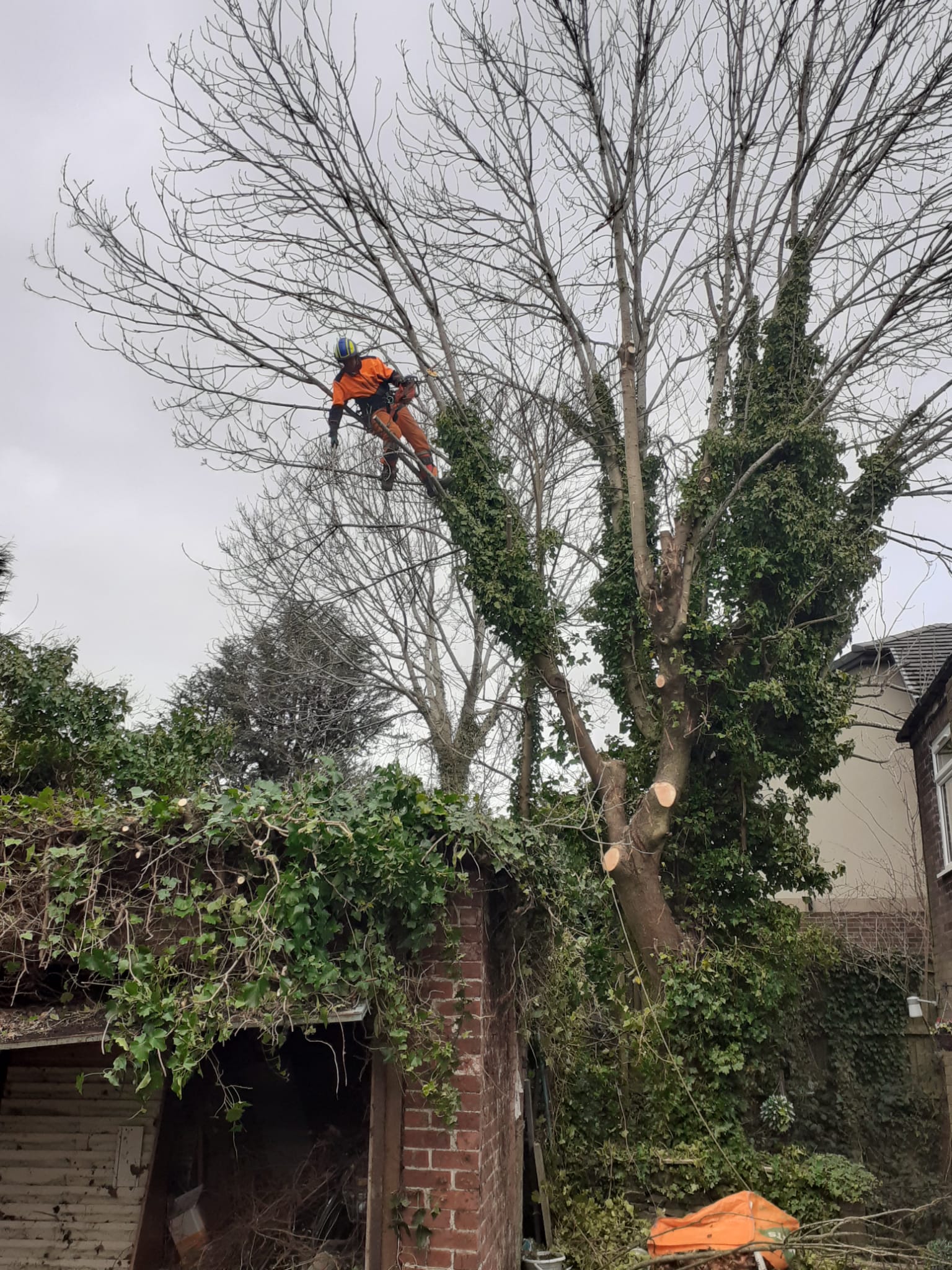
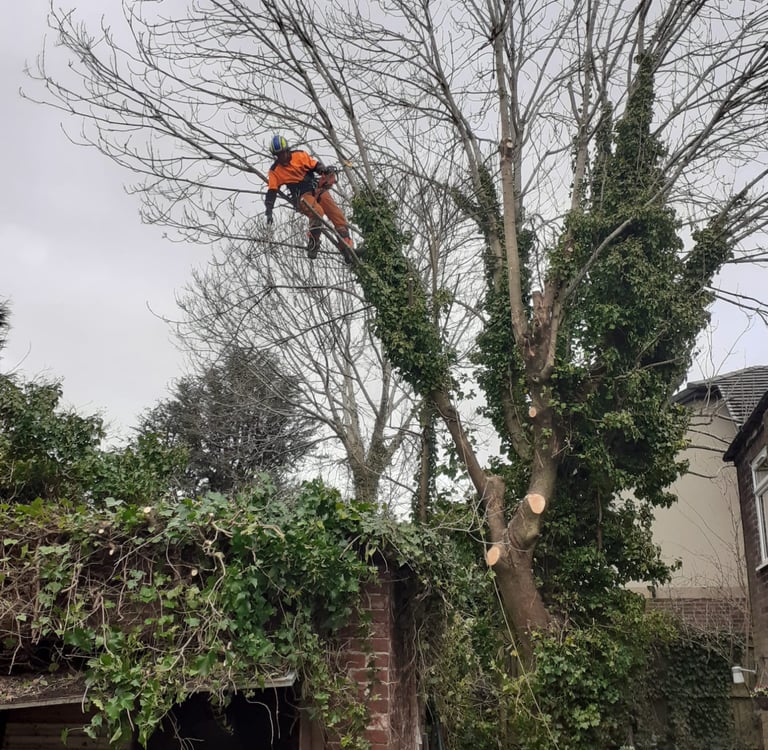
When should you call a tree surgeon?
Trees bring beauty, shade, and environmental benefits to our gardens and streets. But like all living things, they require care. Knowing when to call a tree surgeon can prevent damage to your property, keep your trees healthy, and ensure safety for you and your neighbors. This guide explores common situations where professional expertise is warranted and how to choose the right tree surgeon, including insights specific to the Dronfield area.
Introduction: why a tree surgeon matters
A tree surgeon, sometimes called an arborist, is trained to prune, diagnose, and treat trees with a focus on safety and long-term health. Regular maintenance by a qualified professional can extend a tree’s life, improve growth, and reduce hazards such as limb failure. If you’re in Dronfield or the surrounding area, a local tree surgeon Dronfield will understand the species you’re dealing with and the local climate, which can influence pruning schedules, disease risks, and soil conditions.
When to consider a professional assessment
Not every twig needs a specialist, but certain signs indicate it’s time to call a tree surgeon:
Structural problems: V-shaped or weak crotches, cracks in the trunk, split branches, or a tree that appears to lean significantly could be at risk of failure, especially during storms.
Crown decline: Yellowing leaves, sparse foliage, or dieback at the top of the tree can signal nutritional deficiencies, root problems, or disease.
Storm or collision damage: After high winds, lightning, or vehicle impact, compromised limbs should be inspected promptly.
Root issues: Mushrooms at the base, fungal growth, new cracks in patios or foundations, or uneven soil can point to root degradation or girdling roots.
Hollows or cavities: Cavities can harbor decay and weaken the tree’s structure.
proximity hazards: Trees close to buildings, power lines, or footpaths may require pruning, reduction, or removal to reduce risk.
Overgrown or obstructive growth: Branches encroaching on roofs, gutters, driveways, or windows may need careful reduction.
What a tree surgeon does: services you’ll typically need
Understanding the scope of work helps you plan and budget. A tree surgeon can offer:
Pruning and shaping: Safe, balanced trims to encourage healthy growth and remove hazardous limbs.
Crown thinning or reduction: Reducing the density of the crown to limit weight and improve airflow.
Crown lifting: Raising the canopy to clear paths, roads, or structures while preserving the tree’s health.
Deadwood removal: Removing dead or diseased branches to prevent decay from spreading.
Structural repair: Cabling and bracing to support weak limbs or included bark, reducing the risk of failure.
Tree removal: When a tree is beyond saving or poses an unacceptable risk, professional removal with proper debris clearance.
Stump grinding: Removing the stump to prevent regrowth and improve aesthetics.
Disease and pest management: Diagnosing and treating infections or infestations with appropriate methods.
Soil and root work: Aeration, soil conditioning, and careful root pruning when needed.
How to choose the right tree surgeon Dronfield
Where you live matters when selecting a professional. Here are tips for choosing a qualified tree surgeon in Dronfield or nearby:
Credentials: Look for membership in respected organisations (e.g., ISA, Arboricultural Association). Check for qualifications such as City & Guilds, NPTC, or equivalent certifications.
Insurance: Ensure they have public liability and professional indemnity insurance.
References and portfolio: Ask for testimonials or photos of previous work, especially for trees similar to yours.
Site assessment: A reputable tree surgeon will inspect the tree on-site and provide a clear, written quote with recommended work and timelines.
Safe working practices: Inquire about risk assessments, method statements, and the use of proper equipment (cranes, cherry-pickers, PPE).
Local knowledge: A dronfield tree surgeon will understand local species, soil types, and typical disease pressures in the area.
Timing and seasonality: when to schedule work
Seasonality can influence outcomes and the ease of work:
Dormant season for pruning: In many regions, late winter to early spring is ideal for pruning deciduous trees when they are dormant, reducing stress and promoting strong spring growth. However, some species benefit from summer pruning for shaping or hazard reduction.
Leaf-off access: Winter work often provides better access to canopies and limbs, improving safety and efficiency.
Disease risk timing: Certain diseases have seasonal patterns; professionals may time applications or treatments accordingly.
Weather considerations: Avoid work during heavy rain, high winds, or icy conditions to reduce risk to crews and trees.
What to expect during the process
A professional tree surgeon will typically follow these steps:
Initial contact and on-site assessment: They’ll discuss concerns, perform a visual inspection, and identify any hazards.
Written quotation: A detailed quote outlining recommended work, method, and timeline.
Risk assessment and planning: They’ll outline safety measures, traffic management if needed, and access requirements.
Work execution: Pruning, removal, cabling, or other services with careful debris control and cleanup.
Aftercare advice: Instructions for watering, mulching, and future inspection schedules.
Post-work care and monitoring
Trees sometimes require follow-up care to ensure healthy recovery:
Mulching and watering: Proper mulch helps conserve moisture and regulate soil temperature.
Fertilisation: If soil tests indicate nutrient deficiencies, targeted fertilisation may be recommended.
Regular inspections: Especially after storms or severe weather, a follow-up check can catch problems early.
Final thoughts
Knowing when to call a tree surgeon is about balancing safety, aesthetics, and long-term tree health. If you notice structural concerns, disease signs, or root problems, don’t hesitate to seek expert advice. A qualified tree surgeon Dronfield can assess your trees, provide practical solutions, and carry out work safely and efficiently, helping you protect your property and enjoy your outdoor spaces for years to come.