Why You Shouldn't Leave a Tree Stump in the Ground
Tree stumps are a common sight after a clear-out, storm, or routine tree surgery. But leaving a stump behind can lead to a surprising number of problems down the line.
Why You Shouldn't Leave a Tree Stump in the Ground
Tree stumps are a common sight after a clear-out, storm, or routine tree surgery. But leaving a stump behind can lead to a surprising number of problems down the line. In this post, we’ll explore why you shouldn’t leave a tree stump in the ground, the potential risks involved, and practical options you can consider. If you’re in Sheffield or nearby, a local tree surgeon Sheffield professional can help you make the right choice for your garden.
What exactly is a tree stump and why it remains
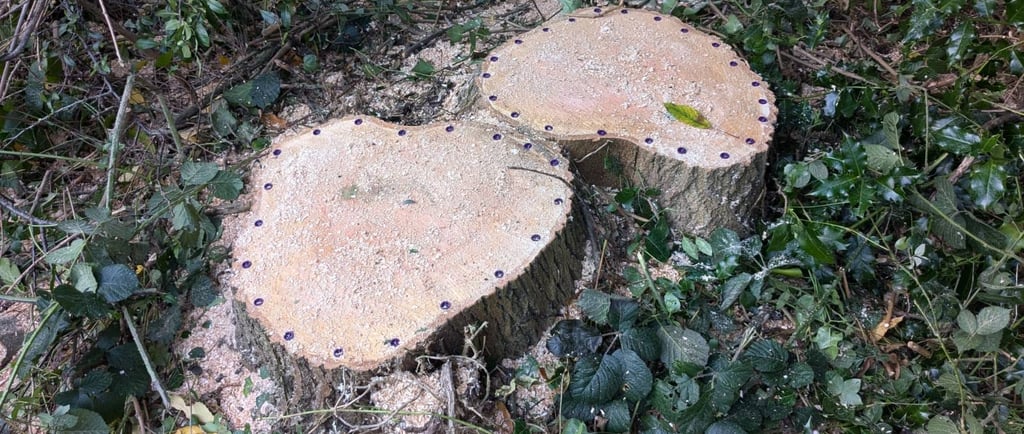
A tree stump is the remaining section of a tree trunk that’s left after the tree has been felled or cut down. It often contains a portion of live wood below the soil surface and a network of roots that may still be active. Over time, stumps can rot, sprout new shoots, or attract pests, depending on the species and conditions. Understanding the biology of stumps helps explain why they behave the way they do and why removal is often preferable.
Safety and structural concerns
Leaving a stump in the ground can pose several safety hazards:
Trip and fall risks for children, pets, and adults who might not expect a protruding obstruction.
Hidden stumps beneath grass can cause lawnmowers to malfunction or cause wheel damage.
If a stump begins to rot, it can weaken the root plate and potentially affect nearby trees, particularly in close-knit gardens or urban settings.
A professional tree surgeon Sheffield will assess the stump’s condition and determine the best course of action to maintain safety for your property.
Pest and disease considerations
Stumps can become attractive habitats for various pests, including:
Termites or wood-boring beetles in some regions.
Fungal growth and fungal diseases that may affect nearby trees.
Rodents or fungal rots that create odor and health concerns.
Removing or treating a stump promptly reduces the likelihood of pests migrating to healthy trees and shrubs, preserving the overall health of your landscape.
Regrowth and suckering
Many tree species are capable of sprouting new shoots from a stump, a process known as suckering. This can result in:
Unwanted volunteers that steal nutrients from nearby plants.
A perpetually uneven landscape as new growth emerges at unpredictable angles.
The need for ongoing maintenance to control regrowth.
A tree surgeon Sheffield can advise on whether to grind, remove, or chemically treat a stump to prevent regrowth.
Aesthetic and garden considerations
Even a small stump can disrupt the visual flow of a garden or lawn. Over time, weathering can make stumps look decayed and unattractive, reducing curb appeal and potentially affecting property value. By removing a stump, you create a cleaner, more cohesive outdoor space that’s easier to maintain.
Removal options: grinding, extraction, and chemical treatment
There are several ways to deal with a stump, depending on the species, size, location, and soil conditions:
Stump grinding: A stump grinder removes the wood down to below soil level, allowing you to cover the area with soil and grass. This is often the preferred method for safety and aesthetics.
Stump extraction: Involves pulling the stump out of the ground, including the roots. This method is more invasive and may require heavy machinery and more soil disruption.
Chemical treatments: Systemic herbicides can prevent regrowth and help decompose the stump over time. This option is slower and may not be suitable for all environments.
Combination approaches: Some projects use a mix, such as grinding the stump first and then applying a chemical to prevent suckering.
A tree surgeon Sheffield can tailor a plan to your garden’s needs, ensuring minimal impact on nearby structures and utilities.
Environmental impact and soil health
Stump removal methods have varying effects on soil compaction, nutrient cycling, and microbiology. For example:
Grinding tends to mix the soil layer and create a surface that’s ready for planting.
Extraction may disturb larger areas of soil but reduces remaining wood material.
Leaving a stump to rot naturally can enrich the soil with decaying wood, though the process is slow and unpredictable.
Consulting with a qualified tree surgeon in Sheffield can help you balance environmental considerations with practical outcomes.
Legal and property considerations
In urban or suburban settings, some local bylaws or homeowners associations have guidelines around tree removal, stump disposal, and root disturbance. A professional tree surgeon Sheffield will be familiar with local regulations and can ensure that work complies with all relevant rules, including utility clearance and permits if needed.
Final thoughts
Leaving a tree stump in the ground can lead to a range of safety, pest, aesthetic, and environmental issues. By engaging a qualified tree surgeon Sheffield, you can evaluate removal options, minimise disruption, and restore the beauty and safety of your outdoor space. A well-executed stump removal or grinding project not only improves curb appeal but also protects nearby trees and garden beds from potential problems. If you’re unsure what to do with a stump, contact a local expert to discuss tailored solutions for your Sheffield property.